
Prioritise Ergonomics
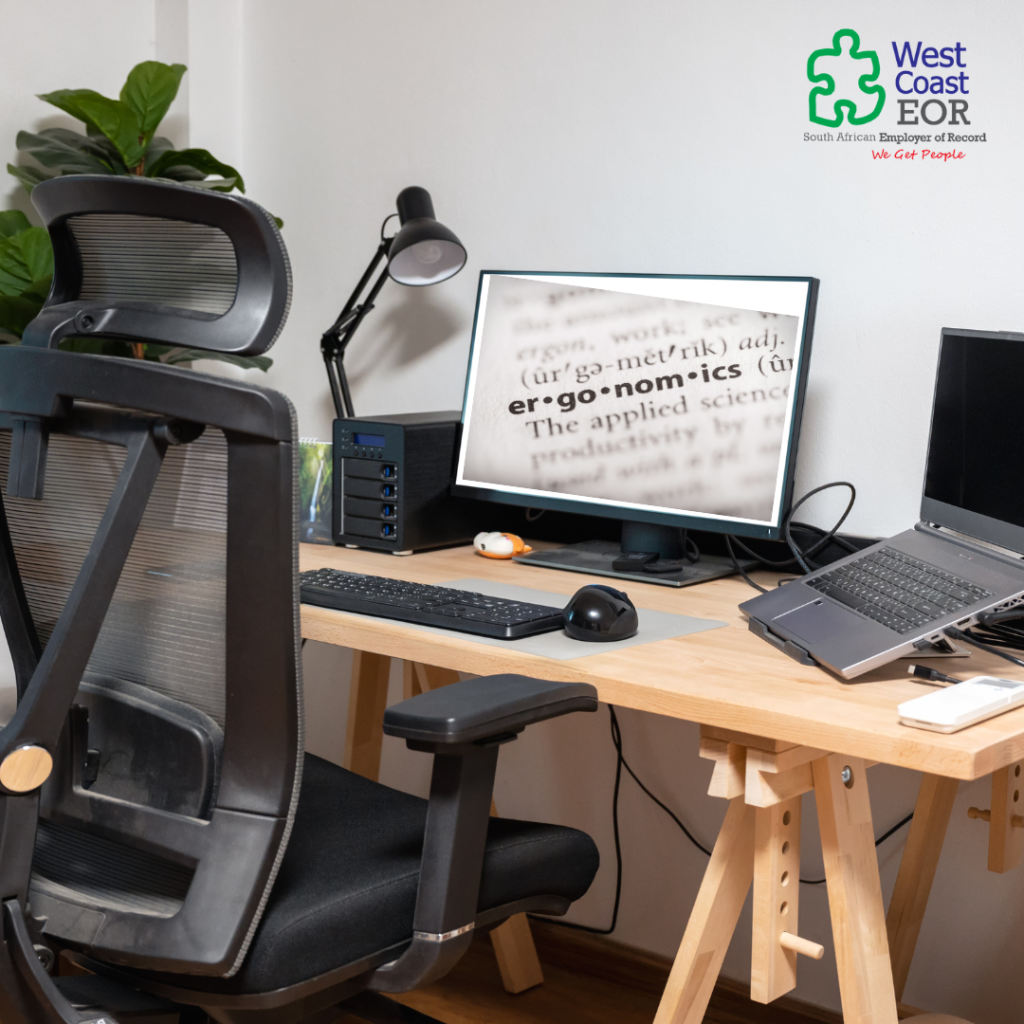
Prioritise Ergonomics: Your Body Will Thank You Working from home offers freedom, but it can come at a physical cost if your workspace isn’t set up with care. Ergonomics isn’t about luxury—it’s about health, energy, and long-term productivity. Too many remote workers make do with dining chairs, low coffee tables, or laptops hunched over couches. While these setups might work in a pinch, they quickly lead to back pain, neck strain, eye fatigue, and eventually, burnout. Why Ergonomics Matters (Especially for EOR Employees) As an Employer of Record (EOR) employee, you’re representing a company in another country—often across time zones, cultures, and expectations. That means delivering consistent performance is essential. And to do that, your body needs to be on your side. A poor setup affects your: Focus: Discomfort is distracting. Stamina: Fatigue builds up faster when your body isn’t supported. Health: Long-term repetitive strain injuries are no joke. Build a Home Office That Supports You Investing in ergonomics doesn’t have to break the bank. A few key changes go a long way: Chair with lumbar support: A good chair maintains the natural curve of your spine. Monitor or laptop stand: Your screen should be at eye level to reduce neck strain. External keyboard and mouse: These help maintain wrist alignment and prevent overuse injuries. Good lighting: Reduces eye strain and improves focus. Footrest (if needed): Keeps your hips and knees at a 90-degree angle. Even if you work from a small space or shared room, these changes can transform how you feel at the end of the day. Bonus Tips for Remote Comfort Stand and stretch every hour. Try a sit-stand desk if you have the space. Add a plant or personal item to create a calming vibe. Use blue light filters or glasses if you stare at screens all day. Final Thought You wouldn’t accept a broken chair or flickering light in a physical office. Don’t accept it at home either. 📌 Your body is your most important work tool. Take care of it. Estimated Read Time: 3 minutes
Working from Home as an EOR Employee
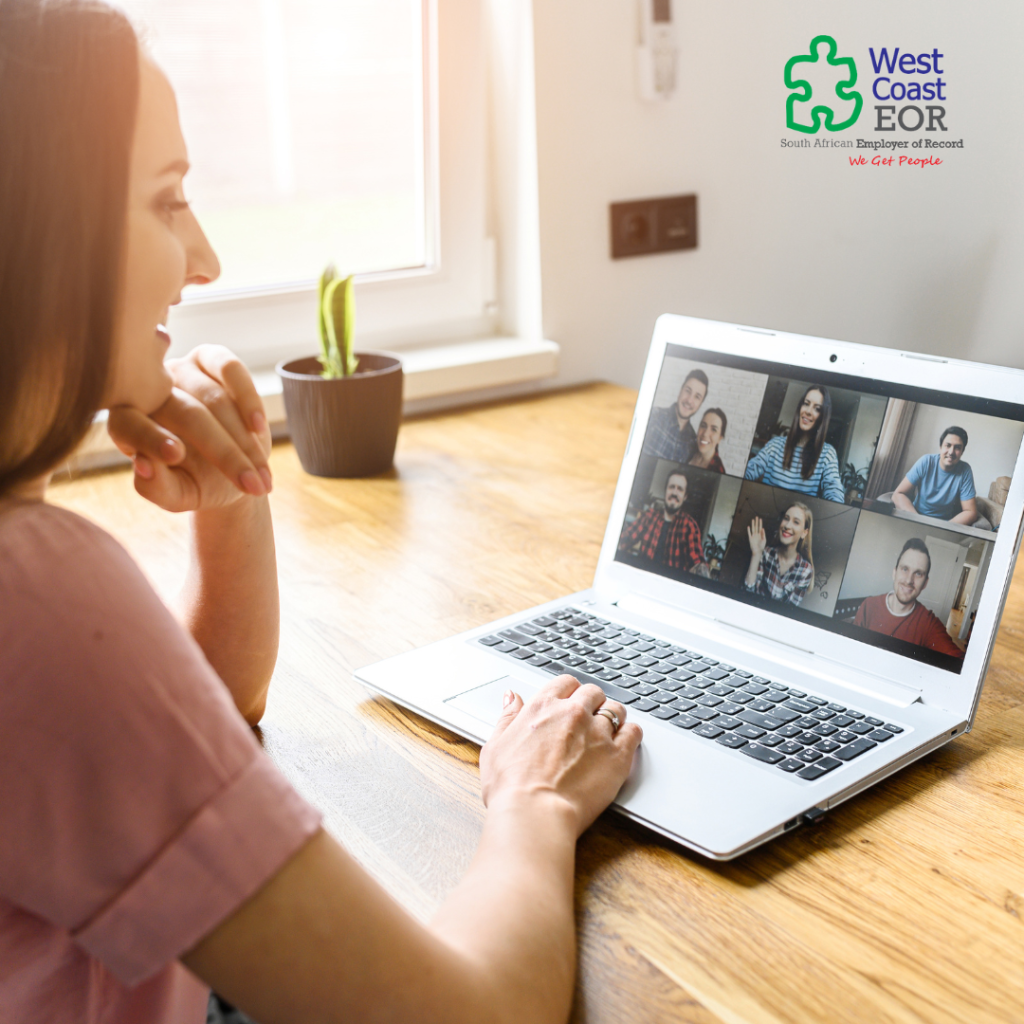
The rise of remote work has unlocked global career opportunities that were unthinkable a decade ago. Today, through Employer of Record (EOR) arrangements, professionals can work for companies across continents—from Berlin to Sydney—without relocating or jumping through visa hoops. But this exciting model also comes with its own set of challenges. Working from home, particularly as an EOR employee, isn’t just about having a reliable internet connection. It requires structure, boundaries, and a mindset shift. Freedom with Responsibility As an EOR employee, you’re trusted to deliver results without constant supervision. This level of autonomy is empowering—but it can also be overwhelming if you’re not prepared. You represent your employer in a different country and culture, often working in a different time zone. That makes visibility, communication, and professionalism even more critical. The solution? Treat your home setup as if it were an extension of your employer’s office. Create a Space That Supports Focus A makeshift desk in the corner of your bedroom may work in the short term, but it’s not ideal long-term. If you want to thrive remotely, invest in a proper workspace: A comfortable, ergonomic chair A desk setup that supports posture and screen height Noise-canceling headphones Good lighting A well-thought-out space reduces fatigue, boosts focus, and communicates to others (and yourself) that you’re in work mode. Embrace Structure Remote work is flexible—but too much flexibility can lead to burnout or inconsistency. Most EOR employers will expect core hour availability, regular updates, and accountability. Try: Setting fixed start and end times Taking scheduled breaks Tracking tasks with simple tools like Trello, Notion, or Google Sheets Logging accomplishments weekly to keep yourself and your team in sync Communication Is Your Superpower When you’re not physically present, your words are what make you visible. This is especially important across time zones and cultures. Don’t wait for someone to check in on you—lead with clarity. Send progress updates regularly Proactively ask for feedback Speak up in meetings (camera on when appropriate) Clarify timelines and expectations Working From Home ≠ Working Alone Isolation can creep in over time. Make a conscious effort to connect: Schedule virtual coffee chats Join a coworking space occasionally Create rituals that start and end your day You might be working from your living room, but you’re still part of a global team. Keep the human connection alive. Final Thought Working from home as an EOR employee is more than a logistical arrangement—it’s a lifestyle that blends autonomy with accountability. When approached intentionally, it offers incredible freedom, flexibility, and career growth. 📌 Start today by assessing your workspace, routine, and communication habits. Are they helping or hindering your success? Want more tips? Stay tuned for our full remote work series—or continue to the next post: Prioritise Ergonomics: Your Body Will Thank You. Estimated Read Time: 3 minutes